When Your Wardrobe Stops Working: The Real Reason Style Restlessness Hits on Schedule
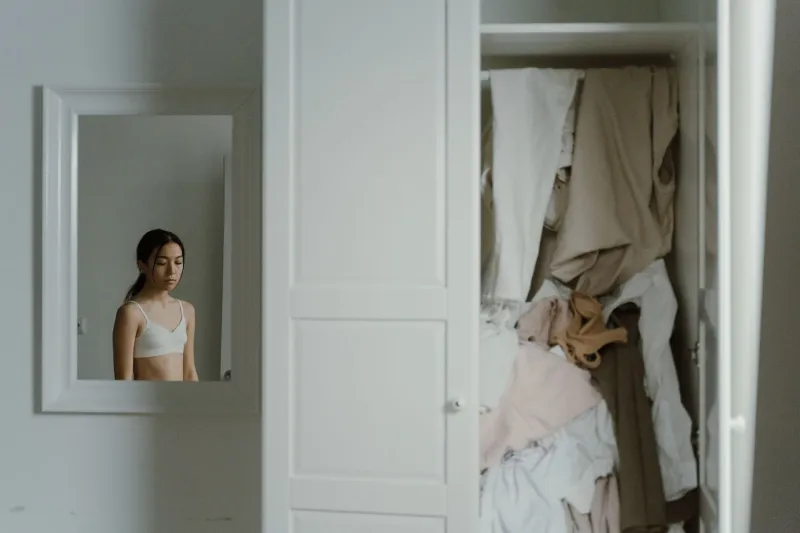
You know the feeling. You're standing in front of a full closet, and somehow nothing feels right. Not broken, not unwearable—just off. Like your clothes stopped speaking your language overnight. You haven't changed dramatically. The pieces are the same ones you loved three months ago. And yet.
Here's the thing: that restlessness isn't a personal failing or a sign you need to go shopping. It's actually your body and brain responding to something real. The seasons are shifting, the light is different, and you—whether you realize it or not—are shifting too.
The Science Behind Why Wardrobes Go Stale
Humans are deeply, biologically seasonal creatures. Research in chronobiology (the study of how time and natural cycles affect living organisms) shows that our bodies respond to changes in daylight with measurable hormonal shifts. Serotonin production, melatonin levels, even our core body temperature regulation all fluctuate across the year. These aren't minor background processes—they influence our mood, our energy, and yes, our aesthetic preferences.
Color psychology backs this up too. Studies have found that people are drawn to warmer, earthier tones in fall and winter and gravitate toward brighter, lighter palettes as daylight increases. This isn't a trend cycle manufactured by fashion marketers. It's older than fashion itself. Your instinct to reach for rust and ochre in October, or to suddenly want something airy and white in late April, is rooted in something genuinely primal.
Add to that the psychological concept of temporal landmarks—the idea that our brains use distinct moments in time (new years, birthdays, season changes) as mental reset points—and you start to understand why the equinoxes and solstices feel like natural moments to reassess. They aren't arbitrary. They mark real, measurable shifts in our environment.
The Four Natural Reset Windows
Rather than waiting until you're deep in closet despair, it helps to anticipate these transitions and build a light framework around them. Think of these as four moments in the year when a wardrobe check-in actually makes sense—not because a magazine told you to, but because your own rhythms are already pointing you there.
Spring Equinox (around March 20): This is a genuine awakening moment. Light returns, temperatures begin to climb, and most people feel an almost involuntary urge to shed. This isn't just about swapping out heavy fabrics—it's about asking which pieces still represent who you are right now. What carried you through the winter, and what feels like it belongs to a version of you that's already passed?
Summer Solstice (around June 21): The longest day of the year. Energy is at its peak for most people, and this is often when personal style feels most confident and expressive. A solstice reset isn't about adding—it's about editing down to what actually gets worn during this high-activity season. What's earning its space in your rotation?
Fall Equinox (around September 22): Arguably the most emotionally loaded transition of the year. Back-to-school culture in the US has conditioned us to associate September with reinvention, and that instinct isn't wrong. This is a rich moment for intentional additions—a piece that anchors the season, something that feels like a genuine next chapter rather than a repeat.
Winter Solstice (around December 21): The quietest reset. As the year draws in, this is less about wardrobe additions and more about sitting with what you have. What still feels meaningful? What are you holding onto out of habit rather than love? The solstice is a good moment for honest subtraction.
Personal Milestones Are Part of the Equation Too
Natural transitions are powerful, but they're not the only markers worth paying attention to. Major personal milestones—a new job, a move across the country, a relationship change, even just a birthday that lands differently than expected—can trigger the same kind of style restlessness that seasonal shifts do.
This makes sense. Our clothes are one of the most visible ways we communicate identity. When our identity shifts, even subtly, our wardrobe often lags behind. The disconnection you feel isn't superficial—it's your intuition telling you that the outside hasn't caught up with the inside yet.
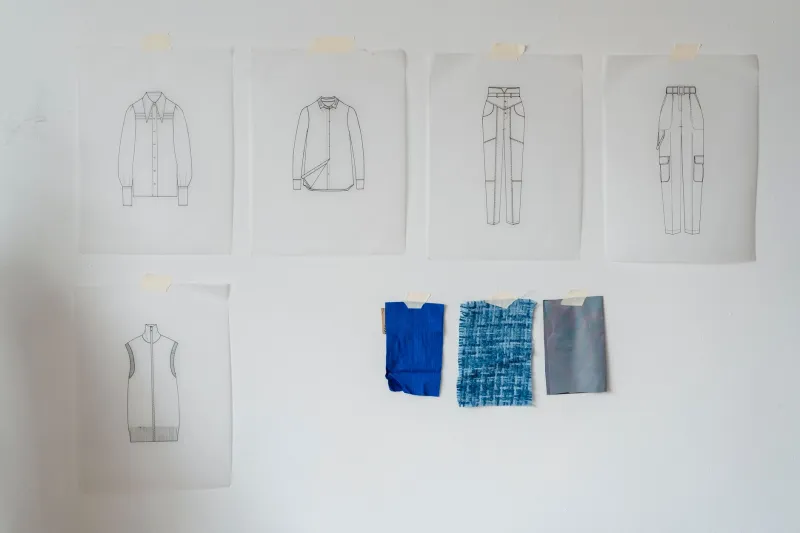
At Nicole Moon Designs, this is actually central to how we think about design. The pieces we create aren't meant to chase a moment—they're meant to grow with you through several of them. Original design has a longer lifespan than trend-driven fashion precisely because it's rooted in something more durable than what's popular right now.
A Practical Framework for Intentional Resets
You don't need a full overhaul every three months. What you need is a lighter, more honest conversation with your closet at regular intervals. Here's a simple approach that doesn't require a full weekend or a color-coded spreadsheet:
Step 1 — Notice before you decide. In the week leading up to a seasonal transition, pay attention to what you're naturally reaching for and what you're avoiding. Your habits will tell you more than any quiz or checklist.
Step 2 — Pull the pieces that feel like friction. Not the ones you just haven't worn recently—the ones that feel like effort in the wrong way. The ones that require you to talk yourself into them. Set those aside.
Step 3 — Identify the gap. After removing the friction pieces, what's genuinely missing? Is it a texture, a silhouette, a color range? Be specific. Vague shopping intentions lead to more closet clutter, not less.
Step 4 — Add with intention, not impulse. If you identify a real gap, fill it with something considered. One piece that actually solves the problem is worth more than five things that sort of address it.
Step 5 — Let the outgoing pieces go with purpose. Donate, sell, pass along to someone who'll actually wear them. The point isn't minimalism for its own sake—it's keeping your wardrobe alive and relevant to who you actually are.
Style Isn't Static—And Neither Are You
The lunar cycle is a useful metaphor here, even beyond the name. The moon doesn't apologize for changing phases. It doesn't cling to full when it's time to wane, or rush back to new before the cycle is complete. There's a kind of integrity in moving through transitions honestly rather than resisting them.
Your wardrobe can work the same way. When you stop treating a style reset as a sign that something went wrong and start treating it as a natural, expected part of the cycle, the whole experience changes. You stop feeling guilty about restlessness and start getting curious about it instead.
That shift in perspective—from problem to signal—is where intentional style actually begins.