One Piece, Many Lives: The Case for Accessories That Age Better Than You Do
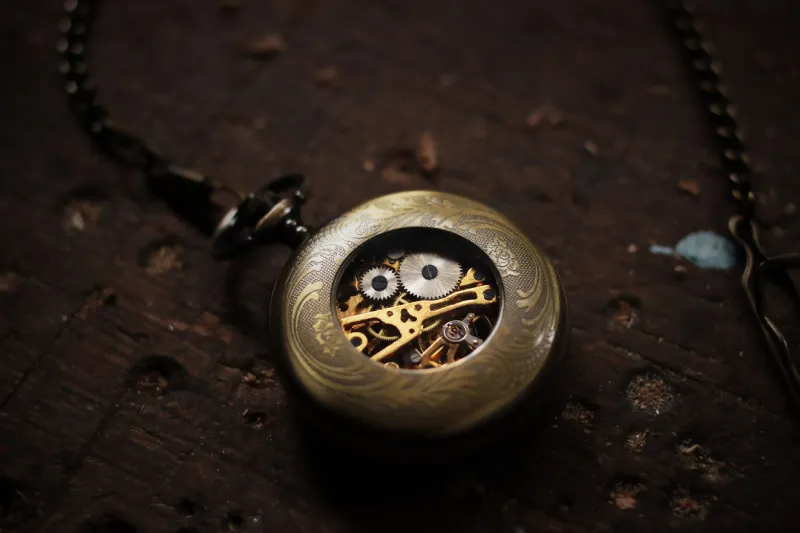
There's a particular kind of magic that happens when you pull something out of a box — a ring, a chain, a worn leather cuff — and realize it fits you better now than it did the day you bought it. Not because your wrist got smaller or your taste got simpler. But because you got more specific. More yourself. And somehow, that piece was already waiting for you to catch up.
That's the quiet promise of what some designers call a heirloom accessory. Not an antique. Not necessarily a hand-me-down. Just a piece built with enough intention and integrity that it can outlive the wardrobe you bought it to go with — and the wardrobe after that, and probably the one after that, too.
Why Most Accessories Don't Make It
Let's be honest about what happens to most of what we buy. The earrings that looked perfect with a specific jacket you no longer own. The chunky resin ring that was everywhere for about eight months and then, seemingly overnight, wasn't. The layered necklace set that came as a bundle and now lives tangled in a dish on your dresser because you can't remember which piece you actually liked.
These aren't bad purchases, necessarily. They're just trend-adjacent — designed to land in a moment, not to travel across one. They serve a purpose, and then they don't, and that's kind of baked into what they were from the start.
The trouble is, most of us shop for accessories the same way we shop for trend pieces: with the current version of ourselves firmly in mind. The outfit we have right now. The aesthetic we're chasing this season. The vibe of the moment. And when the moment passes, so does the piece's relevance.
Heirloom accessories work on a different logic entirely.
What Makes a Piece Built to Last
It's not just about material quality, though that matters. A piece designed to grow with you has a few things going for it that fast-fashion accessories simply don't.
Restraint in design. The pieces that survive decade changes tend to be the ones that don't try to say everything at once. A well-made signet ring. A simple gold chain with real weight to it. A brooch with an unusual shape but a quiet finish. They have character without being costumey — which means they can show up in wildly different contexts without looking out of place.
Material that develops, not deteriorates. There's a meaningful difference between something that wears down and something that wears in. Solid metals develop patina. Good leather softens and molds. Sterling silver oxidizes in ways that can look intentional and beautiful. The right materials don't just hold up — they respond to your life, and that responsiveness is part of what makes them feel personal over time.
Room for reinterpretation. The best long-haul pieces aren't rigidly tied to a single styling approach. A chunky chain that was maximalist in one era becomes architectural minimalism in another. A statement ring you wore on your index finger in your twenties looks different — and just as right — on your middle finger at thirty-five. The piece doesn't change. Your eye does.
The Wardrobe Turnover Problem
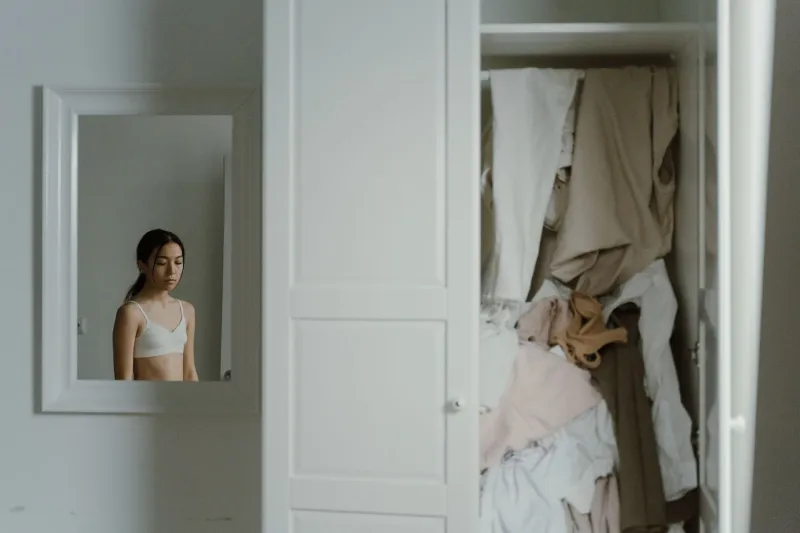
Here's something worth sitting with: the average American replaces a significant portion of their wardrobe every few years. Styles shift, bodies shift, life circumstances shift. The blazer you bought for a job you no longer have. The dress that belonged to a version of you that was doing something very different on Saturday nights.
Accessories, at their best, are immune to this cycle. They don't need to be replaced when your wardrobe does. A good ring doesn't care whether you're wearing it with a silk midi skirt or your most broken-in jeans. A well-chosen necklace doesn't know what decade it is.
That's the real value proposition — not just that a quality piece lasts longer physically, but that it means something across contexts that would otherwise have nothing in common. It becomes connective tissue between chapters of your life.
When a Piece Picks Up History
There's a concept in Japanese aesthetics called wabi-sabi — the beauty of imperfection and impermanence, the idea that wear and age can add to something rather than subtract from it. Western fashion doesn't always make room for this. We're conditioned to want things pristine, new, unworn.
But ask anyone who's worn the same ring for fifteen years about that ring, and you'll hear a different story. They'll tell you about the scratch it got on a camping trip in Colorado. The way the stone caught the light at their best friend's wedding. The fact that they almost lost it in a hotel sink in Nashville and still feel a little sick thinking about it.
That's not wear. That's record. The piece has absorbed your life, and now it carries it.
This is what separates an heirloom accessory from a keepsake. A keepsake gets put away. An heirloom piece keeps going out the door with you.
How to Choose One (Without Overthinking It)
If you're looking to invest in something that'll outlive your current wardrobe and still feel relevant in your next one, a few things are worth considering.
First, ignore the trend context entirely. Look at the piece as an object, separate from what's popular right now. Does it have a quality of design that feels considered rather than reactive? Does it have weight and presence without being loud?
Second, imagine it in three different versions of your life. Your current self. A more dressed-down version of you. A more dressed-up one. If it works in all three, you're onto something.
Third, pay attention to how it makes you feel the first time you put it on. Not the first time you see it — the first time it's actually on your body. If there's a sense of recognition, like it already belongs to you, that's worth trusting.
Finally, let the material do some of the talking. Solid gold, sterling silver, brass, genuine leather, natural stone — these are materials that develop character. Plated metals, acrylic, resin — these are materials that degrade. Neither is wrong, but only one of them is going to be there in ten years looking better than it did on day one.
The Longer View
At Nicole Moon Designs, the idea of designing with intention isn't just a tagline — it's the actual guiding question behind every piece. What is this going to mean in five years? In fifteen? What kind of life is it designed to accompany?
Because the goal was never to make something that fits perfectly into this season. It was to make something that fits perfectly into you — and keeps fitting, even as you change. Especially as you change.
That's the real promise of an accessory built to last. Not that it stays the same. But that it's flexible enough to stay relevant, and meaningful enough to stay worth reaching for, no matter how many wardrobes come and go in the meantime.