Designing by the Moon: How the Industry's Most Intentional Creators Think in Cycles, Not Calendars
There's a rhythm underneath everything — the way tides move, the way moods shift, the way a creative idea germinates slowly before it suddenly blooms. The most intentional designers in fashion have always known this. They may not talk about it in runway interviews or press releases, but the structure of their creative process often looks less like a corporate production schedule and more like something ancient and cyclical.
Fast fashion runs on a line. New in Monday, clearance by Friday, repeat forever. But independent designers — the ones building something with actual staying power — tend to think in loops. Seasons matter, yes, but cycles matter more.
What Cyclical Design Actually Looks Like
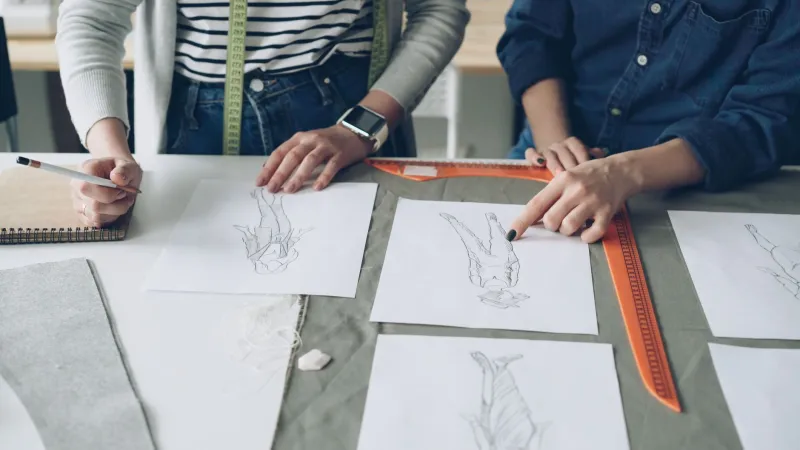
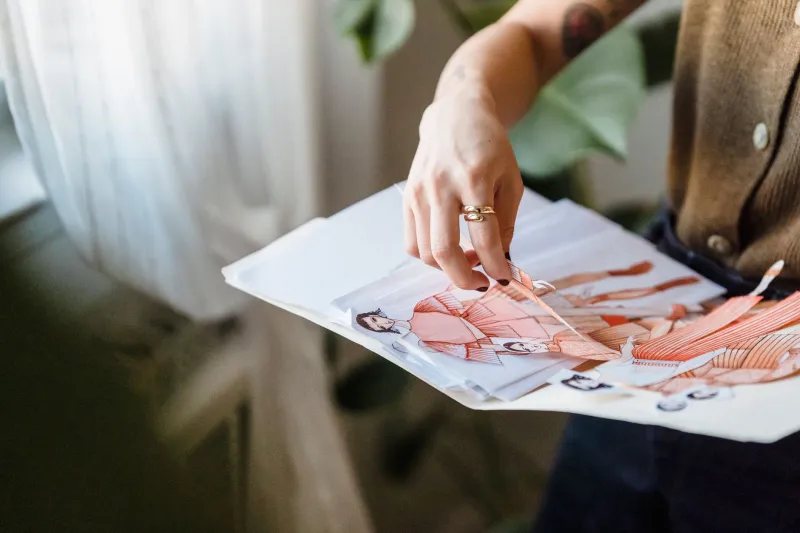
When a creative director sits down to sketch a new collection, the best ones aren't asking, "What's trending this quarter?" They're asking something harder: Where are we right now? What does this moment need?
That question sounds philosophical, but it has practical consequences. Collections built from genuine creative introspection tend to have a coherence that trend-chasing pieces lack. There's a throughline — a mood, a material story, an emotional logic — that makes the pieces feel like they belong together and belong to a specific moment in time.
This is cyclical thinking in action. Rather than treating each collection as a standalone commercial event, intentional designers treat them as chapters in a longer story. Each release responds to the last, evolves from it, and plants the seeds for what comes next.
The lunar calendar, which has guided agricultural cycles, spiritual practices, and creative rituals across cultures for thousands of years, maps surprisingly well onto this process. New moons invite beginnings — the blank page, the first sketch. Waxing phases bring momentum and refinement. Full moons illuminate what's working and what isn't. The waning cycle is for editing, releasing, and letting go of what no longer serves the vision.
Sound familiar? It should. That's basically how a well-run design studio actually functions.
Why the Fashion Industry's Calendar Is Broken
The traditional fashion calendar — Resort, Pre-Fall, Fall/Winter, Spring/Summer — was built around retail logistics, not creative integrity. It tells designers when to deliver, but it says nothing about why. The result is a system that rewards speed and volume over depth and intention.
For big commercial houses, that trade-off might be manageable. But for independent designers and style-conscious consumers alike, it creates a kind of exhaustion. There's always something new to buy. There's always a reason your current wardrobe feels slightly out of step. The machine never stops.
Some of the most respected names in contemporary fashion have quietly pushed back against this. Brands that release fewer pieces, more deliberately, with longer lead times and deeper storytelling, tend to build the kind of customer loyalty that no marketing budget can manufacture. Their customers don't just buy — they wait, they anticipate, they feel like participants in something rather than targets of a campaign.
That shift in dynamic changes everything about how a garment is received and worn.
The Wardrobe Parallel
Here's where this gets personal. If the most intentional designers in the world plan their creative output around natural rhythms rather than arbitrary deadlines, what does that suggest about how you might approach your own wardrobe?
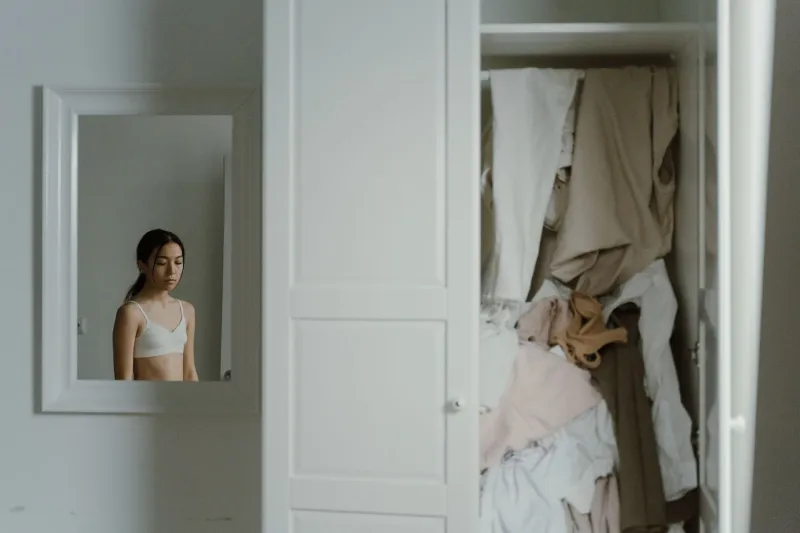
Most of us shop reactively. A season changes, a social event appears on the calendar, a trend catches our eye, and we buy. The closet fills up in a way that feels more like accumulation than curation. And then, at some point, we stand in front of a full closet and feel like we have nothing to wear — which is one of the more quietly maddening experiences modern life offers.
Cyclical wardrobe thinking is the antidote. Instead of shopping when something prompts you to, you build a practice of regular, intentional reassessment. You treat your wardrobe like a living collection — something that grows, evolves, and occasionally needs to release what it's outgrown.
The lunar calendar is one of the most accessible frameworks for doing this. It's free, it's consistent, and it naturally creates checkpoints throughout the month that encourage reflection without demanding it. You don't have to be spiritually inclined to use it — think of it less as mysticism and more as a scheduling tool that's been field-tested for a few thousand years.
What This Means for Independent Fashion
At Nicole Moon Designs, this philosophy isn't a marketing angle — it's baked into how the brand thinks about creating. Pieces are developed with longevity in mind. The goal isn't to give you something to wear for one season before it starts looking dated. It's to give you something that earns its place in your wardrobe over time.
That requires a different kind of design thinking. It means choosing materials that age well, silhouettes that don't rely on trend cycles for their relevance, and details that reward closer inspection. It means building collections that feel complete rather than constantly provisional.
It also means being honest about what independent design is up against. The fast-fashion model is efficient and seductive. It's hard to compete on price or volume. But intentional design competes on something else entirely — meaning, quality, and the quiet satisfaction of owning something that actually fits your life.
Building Your Own Collection, Cycle by Cycle
If you want to start thinking about your wardrobe the way the best designers think about their collections, here's a simple starting point:
At the new moon, take ten minutes to look at what you're actually reaching for. Not what you own — what you're wearing. Notice any gaps.
As the moon waxes, this is a good time to shop intentionally if you need to. You're in a building phase. Add pieces that fill real gaps, not imagined ones.
At the full moon, do a quick edit. Pull out anything that hasn't been worn in the past cycle. Ask honestly whether it belongs.
As the moon wanes, release. Donate, consign, or repurpose. Let the closet breathe.
This isn't a rigid system — it's a rhythm. And rhythms, unlike rules, are easy to maintain because they feel natural rather than imposed.
The designers who build lasting work know that creativity doesn't perform on demand. It moves in waves. Your personal style does too. The sooner you stop fighting that and start working with it, the more your wardrobe will start to feel like something genuinely yours — not a collection of impulse decisions, but a reflection of who you actually are, right now, in this cycle of your life.