Grandma's Brooch, Your Rules: How to Actually Wear the Jewelry You Inherited
There's a good chance you have at least one piece of jewelry you didn't choose. Maybe it came from a grandmother's dresser drawer, passed along after a family gathering with a quiet "she would have wanted you to have this." Maybe it was tucked into a birthday card or handed over at the bottom of a bag of miscellaneous things nobody knew what to do with. You accepted it, you thanked whoever gave it, and then — if you're being honest — you put it somewhere safe and kind of forgot about it.
This is one of the most common and least talked-about wardrobe situations people find themselves in. Inherited accessories occupy this strange emotional middle ground: too meaningful to toss, too unfamiliar to actually wear. They don't feel like yours yet. And until they do, they just sit there.
But here's the thing — they can become yours. It just takes a little intention.
Why Inherited Pieces Feel So Hard to Wear
Before getting into the how, it helps to name the why. Most people struggle with inherited jewelry for a few overlapping reasons.
First, there's the weight of meaning. When a piece belonged to someone you loved, wearing it feels like a statement — like you're either honoring them perfectly or doing it wrong. That pressure makes it easier to just leave the piece in a box.
Second, there's the style gap. A piece from the 1960s or 1980s might feel genuinely dated in a way that doesn't match how you dress now. Wearing it as-is can feel like you're wearing a costume rather than an outfit.
And third, there's the ownership question. It's hard to feel confident in something you didn't pick. Personal style is built through choices — and inherited pieces bypass that whole process.
The good news? All three of these obstacles are workable.
Start by Actually Looking at What You Have
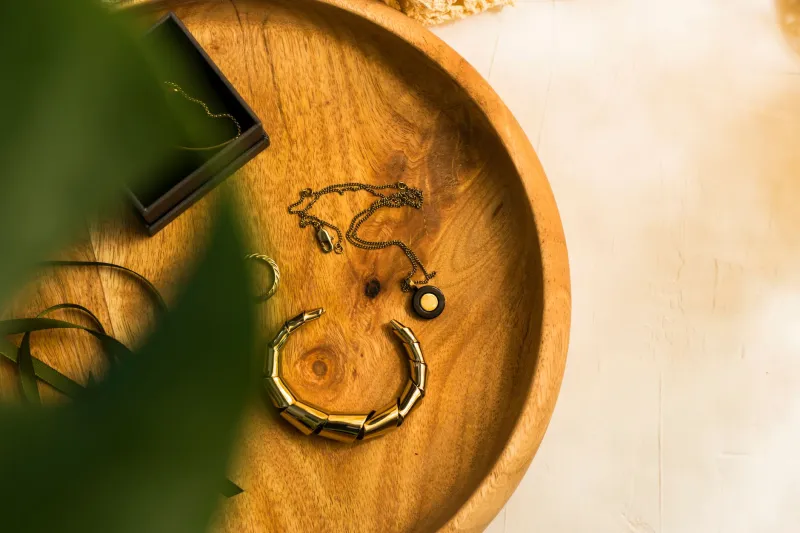
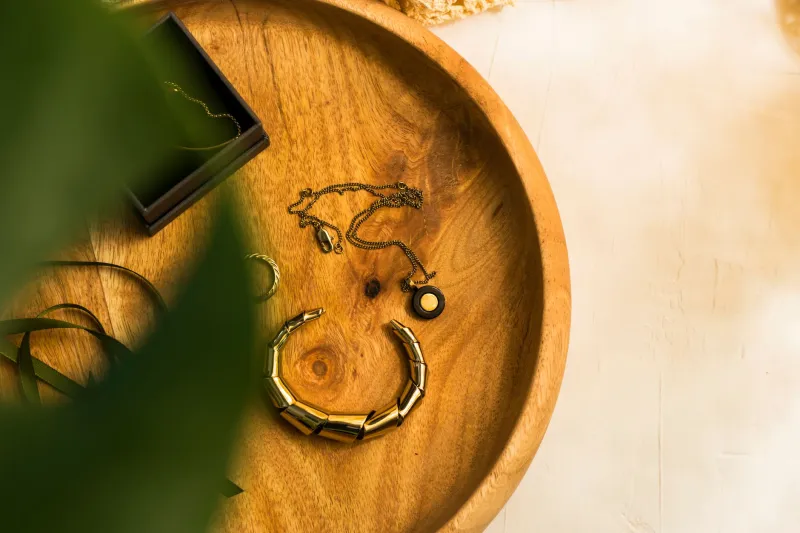
Pull the pieces out. Lay them on a flat surface in good light. Really look at them — not with sentimentality, not with skepticism, just with curiosity.
Notice the materials, the scale, the color, the construction. A chunky gold cuff from the '70s is a very different styling challenge than a delicate pearl drop earring from the '50s. A beaded evening bag is not the same conversation as a tortoiseshell hair clip. Each piece has its own energy, and that energy will tell you something about how it wants to be worn.
Ask yourself: if I found this at a vintage market and had no emotional attachment to it, would I be interested? Sometimes the answer is a genuine yes — and that's your green light. Sometimes the answer is no, and that's useful information too.
Restyling as a Form of Respect
One of the most liberating things you can do with an inherited accessory is give yourself permission to wear it differently than it was originally intended.
That brooch? You don't have to pin it to a lapel like it's 1962. Try it on a canvas tote bag, clipped to a belt, or anchoring a scarf at your collar. A dated charm bracelet might work stacked with modern chain bracelets in a way it never would on its own. A vintage silk scarf that feels too "old lady" tied around a neck can completely transform when wrapped around a bag handle or used as a headband.
Restyling isn't disrespect — it's the opposite. It's the thing that actually gets the piece worn, which is what jewelry is for.
When Alteration Makes Sense
Some pieces need more than a styling refresh. If a ring doesn't fit, a necklace chain is broken, or a clasp is unreliable, those are practical problems worth solving. A good local jeweler can resize, restring, repair, and sometimes reimagine pieces in ways that make them genuinely wearable again.
More significant alterations — like resetting a stone into a different setting, or melting down old gold to create something new — are a bigger commitment, both financially and symbolically. These decisions deserve real thought. But if a piece has materials you love and a form that doesn't work for you, transformation is a legitimate option. Many people find that wearing a redesigned version of an inherited piece actually feels more personal than wearing the original unchanged.
If you go this route, document the original piece with photos before any changes are made. That record matters.
Pairing Old with New
One of the easiest ways to make an inherited piece feel like yours is to surround it with things that are unquestionably yours.
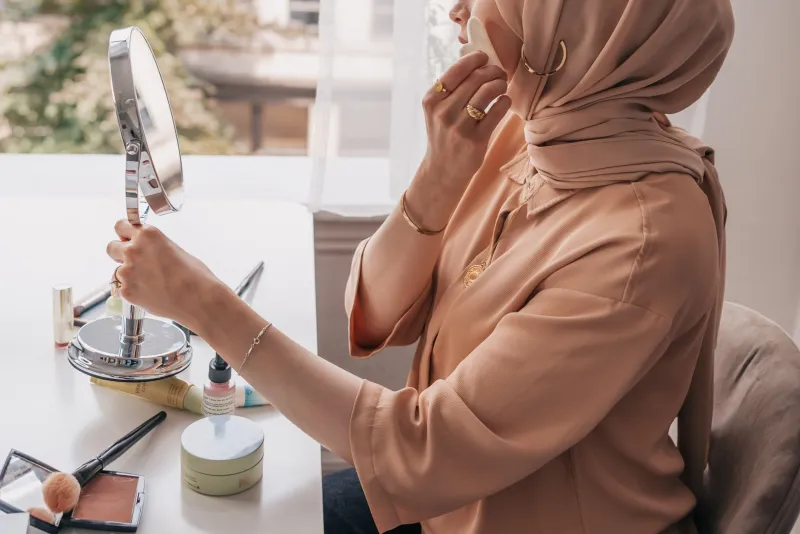
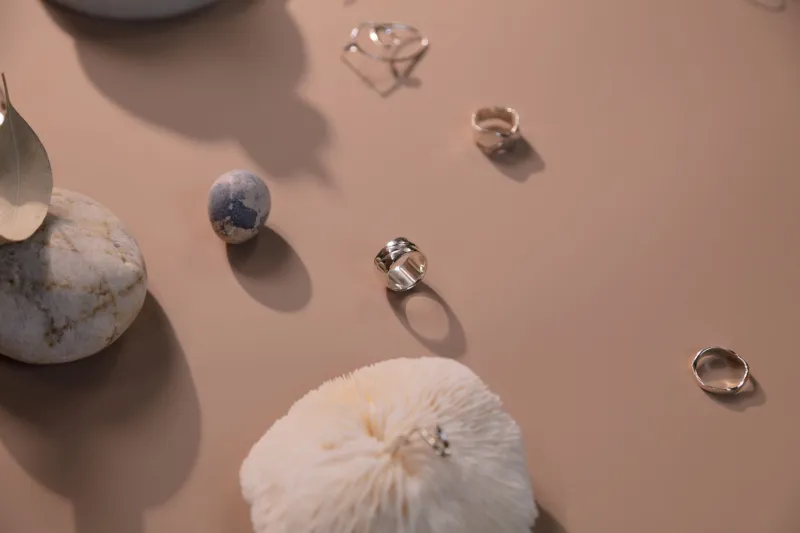
A vintage gold locket looks completely different layered with a thin modern chain you bought last year. An old cameo ring shifts in feeling when worn alongside a contemporary geometric band. Mixing eras is not a fashion mistake — it's actually one of the clearest signals of personal style, because it shows you're not following a formula.
The inherited piece becomes an anchor in an outfit that's otherwise entirely you. Over time, that combination starts to feel natural. The piece stops being "Grandma's ring" and starts being "that ring I always wear with this necklace."
Letting Go Without Guilt
Not every inherited piece is going to make it into your rotation, and that's okay. Some things carry grief that makes them too heavy to wear casually. Some things genuinely don't work with your style no matter how you approach them. Some things might be better passed along to someone in your family who connects with them more.
Keeping something out of obligation isn't honoring it — it's just hoarding with feelings attached. If a piece truly doesn't belong in your life, finding it a better home is a generous act, not a betrayal.
That said, give yourself real time before making that call. What feels unwearable in January sometimes clicks in October. Styles shift. You shift. A piece you couldn't figure out two years ago might suddenly make perfect sense now.
The Deeper Value of Wearing What Came Before
There's something quietly powerful about incorporating pieces from people who came before you into the way you move through the world. It's not about nostalgia or performance — it's about continuity. A bracelet that was on someone else's wrist for forty years carries a kind of weight that no brand-new piece can manufacture.
At Nicole Moon Designs, we talk a lot about dressing with intention — choosing pieces that mean something, that reflect who you actually are rather than who you think you're supposed to be. Inherited jewelry, when you take the time to actually claim it, fits that philosophy perfectly. It's already loaded with meaning. Your job is just to make it yours.