The Piece That Already Knows Who You Are: Finding Your True Signature Accessory
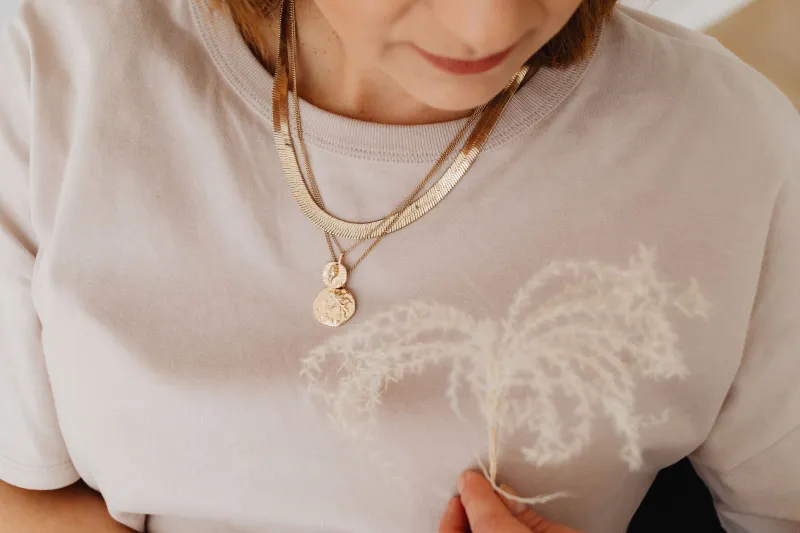
There's a piece in your collection right now that you reach for without thinking. Maybe it's a pair of earrings you put on before you've even decided what you're wearing. Maybe it's a ring you twist absentmindedly during a meeting, or a necklace that feels somehow wrong to leave the house without. You probably don't think of it as your "signature piece." You might not even think of it as special.
But it knows you. And that's exactly the point.
The Difference Between the Piece You Perform and the One You Live In
Most of us have two categories of accessories, even if we've never labeled them that way. There are the pieces we aspire to — the ones that represent a version of ourselves we're working toward, or a style identity we've absorbed from someone else's feed. And then there are the pieces we actually inhabit, the ones that have quietly become part of our daily language.
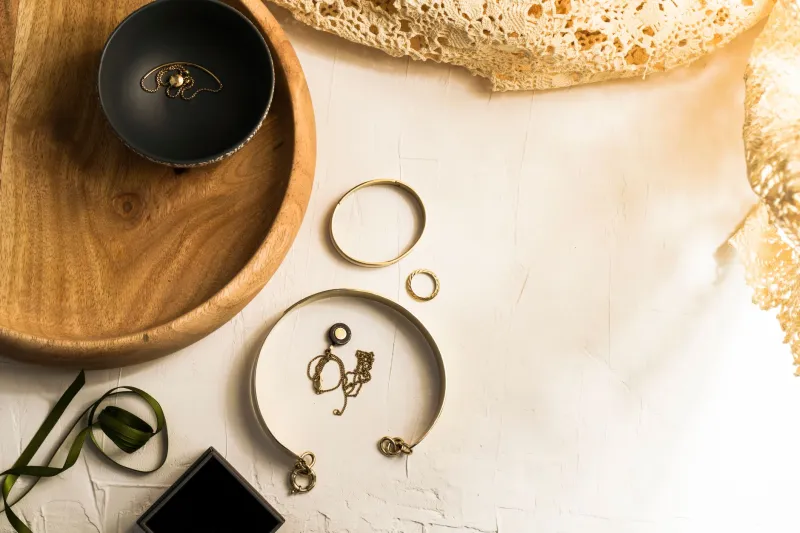
The aspirational piece is easy to spot. It's beautiful. It cost more than felt entirely comfortable. You bought it for a reason you could articulate clearly at the time — a promotion, a new chapter, a trip you took where you felt like a better version of yourself. And now it sits in a dish on your dresser, lovely and largely untouched.
The piece you live in is harder to see, mostly because it doesn't announce itself. It just shows up, again and again, in photos you didn't plan, on days that mattered, in moments you'd want to remember. That invisibility is the tell. When something integrates so seamlessly into your presence that you stop noticing it, that's not indifference — that's alignment.
Why Some Pieces Feel Effortless and Others Never Quite Land
The psychology behind wearability is more interesting than most style advice gives it credit for. Research on self-concept — the mental image we carry of who we are — suggests that we're consistently drawn to objects that reinforce or gently extend that image. When a piece of jewelry or an accessory resonates, it's rarely about aesthetics alone. It's about recognition. The piece reflects something you already believe to be true about yourself, even if you haven't said it out loud.
The pieces that gather dust, by contrast, often represent a gap. Not a bad gap, necessarily — sometimes they're pointing toward genuine growth. But more often, they're echoing someone else's definition of what your style should look like. A trend you adopted because it was everywhere. A gift chosen by someone who loves you but doesn't quite see you. A purchase made during a phase that's quietly passed.
Neither category is a failure. But only one of them is telling you the truth.
How to Actually Identify Your Signature Piece
This isn't about conducting a Marie Kondo-style audit or ranking your accessories by how much joy they spark. It's more observational than that.
Start by looking at photos of yourself from the last two or three years — not the posed ones, but the candid shots, the ones taken at dinner or at someone's backyard party or on a random Tuesday when your friend grabbed their phone. Notice what you're wearing in those images. Not your clothes, necessarily, but the accessories. What keeps reappearing? What's present in the moments that felt most like you?
Next, pay attention to what you instinctively grab when you're running late. Stress strips away deliberation. The piece you reach for when you have thirty seconds to finish getting dressed is the one your nervous system trusts. That's data.
Finally, think about what you'd feel genuinely naked without. Not uncomfortable — genuinely off, like something is missing from the room. That level of integration is rare, and it's worth paying attention to.
The Trap of the Signature Piece You Think You Should Have
Here's where it gets a little complicated. A lot of us have a narrative about what our signature piece is supposed to be. Maybe it's the family heirloom you feel obligated to center. Maybe it's the bold statement earring because that's who you were at twenty-three and the story stuck. Maybe it's whatever fits the aesthetic you've been carefully curating online.
But style identity shifts. The piece that once felt like an extension of you can quietly become a costume. And holding onto a signature that no longer fits — out of loyalty, nostalgia, or the discomfort of admitting you've changed — keeps you stuck in a version of yourself you've already moved past.
Recognizing your actual signature piece sometimes means releasing the one you've been performing. That can feel disorienting at first. It can also feel like exhaling.
When Your Signature Piece Is Still on Its Way to You
Not everyone has found it yet, and that's genuinely okay. Some people are in a transitional phase — between identities, between chapters, between the person they were and the one they're becoming. If nothing in your current collection feels like a true extension of who you are right now, that's not a failure of taste. It's a sign that you're in motion.
In that case, the work isn't to force a signature. It's to stay curious. Try things you wouldn't normally reach for. Pay attention to what makes you feel more like yourself in a room full of people, not less. Let the piece find you a little, rather than hunting it down with a checklist.
At Nicole Moon Designs, we think a lot about this idea — that the most meaningful things we wear aren't chosen so much as recognized. Design made with intention has a way of meeting people where they actually are, not where they think they should be.
Wearing It Like You Mean It
Once you've identified the piece — the real one, the one that already knows you — the next step is simple: stop treating it like a default and start treating it like a decision. Wear it deliberately. Let it anchor your choices rather than just accompanying them. A true signature piece doesn't compete with what you're wearing; it clarifies it.
And if it needs a little attention — a cleaning, a repair, a moment of actual appreciation — give it that. The pieces that carry our identity deserve to be cared for like they matter. Because they do.
Your style isn't built from the pieces you own. It's built from the pieces you keep coming back to. Pay attention to those. They're already telling you something true.